
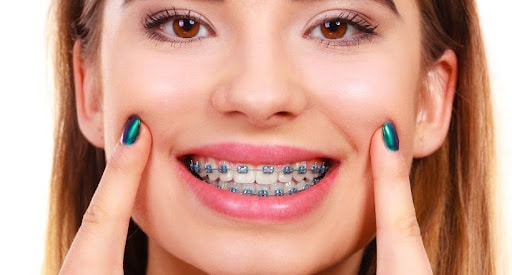
Orthodontic treatment has helped millions of people achieve healthier, more confident smiles. Today, more children, teens, and adults are exploring orthodontic care than ever before. One of the most common questions patients ask during a consultation is simple: What options do I have?
Modern orthodontics offers several solutions designed to fit different lifestyles, ages, and treatment needs. From traditional braces to clear aligners, each system works in a slightly different way to gently move teeth into better alignment.
Understanding the types of braces available today can help families feel more confident about starting orthodontic treatment. Parents often want to know what works best for children, teens may be concerned about appearance, and adults frequently look for discreet treatment options.
This guide explains the different orthodontic systems available today, how they work, and how an orthodontist helps determine the right option for each patient.
Why Braces Are Needed
Orthodontic treatment is about much more than appearance. While straighter teeth can improve confidence, braces also play an important role in maintaining long-term oral health.
Many orthodontic issues begin during childhood as the jaw develops and permanent teeth emerge. If left untreated, these problems can lead to bite issues, uneven tooth wear, or difficulty keeping teeth clean.
Common orthodontic problems include:
Crooked Teeth
When teeth overlap or twist, brushing and flossing can become difficult. This increases the risk of cavities and gum disease.
Overbite
An overbite occurs when the upper teeth overlap the lower teeth too much. Severe cases can cause jaw discomfort and uneven tooth wear.
Underbite
With an underbite, the lower teeth extend in front of the upper teeth. This can affect chewing and facial balance.
Crossbite
A crossbite happens when some upper teeth sit inside the lower teeth when the mouth closes. This can cause jaw shifting and tooth wear over time.
Spacing Problems
Gaps between teeth may develop when teeth are too small or when teeth are missing. These spaces can affect both appearance and bite stability.
Orthodontic treatment helps correct these issues by gradually guiding teeth into better alignment. The result is improved bite function, easier oral hygiene, and a healthier smile.
What Are the Types of Braces?
Orthodontic technology has evolved significantly over the years. Patients now have several choices when it comes to orthodontic treatment.
The main types of braces for teeth include:
- Traditional metal braces
- Ceramic braces
- Lingual braces
- Clear aligners
Each system moves teeth using gentle, controlled pressure. However, they differ in appearance, maintenance requirements, and ideal patient situations.
Understanding how each option works can help patients and parents better understand modern types of braces orthodontics offers today.
1. Traditional Metal Braces
Metal braces are the most widely recognized orthodontic treatment and remain one of the most effective solutions for correcting complex dental issues.
These braces use small stainless steel brackets that are attached to each tooth. A thin wire connects the brackets and gradually guides teeth into their correct positions. Periodic adjustments allow the orthodontist to control tooth movement throughout treatment.
Modern metal braces are smaller and more comfortable than those used decades ago. Many children and teens even enjoy choosing colorful elastics that personalize their braces.
Benefits of Metal Braces
- Highly effective for complex orthodontic issues
- Durable and reliable
- Often the most affordable orthodontic option
- Great for children and teens
Potential Drawbacks
- Most visible orthodontic treatment option
- Food restrictions may apply
- Requires careful oral hygiene
Despite newer alternatives, metal braces remain one of the most trusted orthodontic treatments available.
2. Ceramic Braces
Ceramic braces work similarly to metal braces but use tooth-colored or clear brackets that blend more naturally with teeth.
Because they are less noticeable, ceramic braces are a popular option among older teens and adults who want a more discreet orthodontic solution.
The brackets are made from a durable ceramic material that resists staining and helps reduce visibility during treatment.
Benefits of Ceramic Braces
- Less noticeable than metal braces
- Effective for many orthodontic issues
- Popular among teens and adults
Considerations
- Slightly more fragile than metal braces
- May cost more than traditional braces
- Requires excellent oral hygiene
For many patients seeking a balance between effectiveness and appearance, ceramic braces offer a strong alternative to traditional systems.
3. Lingual Braces
Lingual braces provide a hidden orthodontic treatment option. Instead of being placed on the front of the teeth, the brackets are attached to the back (lingual side) of the teeth.
Because they are positioned behind the teeth, lingual braces are almost invisible when smiling or speaking.
These braces function similarly to traditional braces, using brackets and wires to guide tooth movement. However, their placement requires specialized orthodontic expertise.
Benefits of Lingual Braces
- Completely hidden from view
- Effective for many alignment issues
- Ideal for patients concerned about appearance
Potential Challenges
- May affect speech briefly during adjustment
- Can be harder to clean
- Not suitable for all orthodontic cases
Lingual braces are often chosen by adults or professionals who want orthodontic treatment without visible appliances.
4. Clear Aligners (Invisalign and Similar Systems)
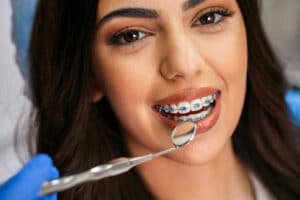
Clear aligners have become one of the most popular orthodontic treatments in recent years.
Instead of brackets and wires, this system uses a series of custom-made transparent trays that gradually move teeth into better alignment.
Patients wear each set of aligners for about one to two weeks before switching to the next set. The aligners are removable, which allows patients to eat, brush, and floss normally.
Clear aligners are often recommended for teens and adults with mild to moderate orthodontic concerns.
Benefits of Clear Aligners
- Nearly invisible appearance
- Removable for eating and brushing
- Comfortable and smooth design
- No food restrictions
Considerations
- Must be worn 20–22 hours per day
- Requires strong patient compliance
- May not be suitable for complex cases
For many patients, clear aligners provide a convenient and discreet alternative to traditional braces.
Comparison Table of Braces Types
| Braces Type | Visibility | Best For | Comfort | Maintenance |
| Metal Braces | Most visible | Children, teens, complex cases | Moderate | Regular adjustments and careful brushing |
| Ceramic Braces | Less noticeable | Teens and adults | Moderate | Similar care as metal braces |
| Lingual Braces | Hidden behind teeth | Adults seeking discreet treatment | Moderate | More difficult to clean |
| Clear Aligners | Nearly invisible | Teens and adults with mild to moderate cases | High | Removable and easy to clean |
This overview helps patients compare the main types of braces orthodontics commonly provides today.
Which Type of Braces Is Right for Me?
Many patients wonder,which type of braces is right for me?
The answer depends on several factors, and the best treatment option varies for each individual.
Orthodontists typically consider:
Age
Children and teens may benefit from traditional braces because they provide strong control over tooth movement.
Severity of Alignment Issues
More complex bite problems may require fixed braces instead of removable aligners.
Lifestyle Preferences
Some patients prefer more discreet options such as ceramic braces or clear aligners.
Oral Hygiene Habits
Patients must maintain good brushing and flossing habits regardless of the orthodontic system used.
During an orthodontic consultation, your provider will evaluate your bite, tooth alignment, and overall oral health to recommend the best type of braces for your situation.
Braces for Kids vs Teens vs Adults
Orthodontic treatment can benefit patients at almost any age. However, treatment goals and methods sometimes differ depending on the patient’s stage of development.
Children
Orthodontists often recommend that children receive their first orthodontic evaluation around age seven.
Early evaluation allows orthodontists to monitor jaw growth and identify developing alignment issues. In some cases, early treatment may guide jaw development or create space for incoming permanent teeth.
Teens
Teenagers represent the most common orthodontic patient group.
During adolescence, most permanent teeth have erupted, and jaw growth is still occurring. This makes it an ideal time to correct alignment problems.
Teens may choose between metal braces, ceramic braces, or clear aligners depending on their orthodontic needs and personal preferences.
Adults
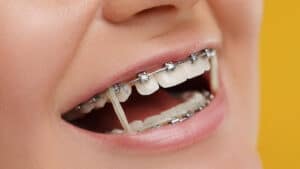
Adult orthodontics has grown significantly in recent years.
Many adults who never had braces as children are now exploring orthodontic care to improve their smile and oral health. Others may need treatment to correct shifting teeth later in life.
Modern orthodontic solutions make treatment more comfortable and discreet than ever before.
Treatment for Teeth Braces: What to Expect
If you or your child are considering orthodontic care, understanding the process can help reduce uncertainty.The treatment for teeth braces typically follows several steps.
1. Initial Consultation
The orthodontist evaluates the patient’s teeth, bite, and jaw alignment. This visit helps determine whether orthodontic treatment is needed.
2. Digital Scans and Imaging
Modern orthodontics often uses digital scanning technology instead of traditional impressions. These images help create precise treatment plans.
3. Treatment Planning
The orthodontist designs a personalized plan that outlines the expected tooth movement and estimated treatment timeline.
4. Active Treatment Phase
Braces or aligners gradually move teeth into their ideal positions. Patients visit the orthodontist periodically for adjustments and progress monitoring.
5. Retention Phase
Once the braces come off, retainers help maintain the new alignment and prevent teeth from shifting back.
This step is essential for protecting long-term orthodontic results.
Meet Our Orthodontic Philosophy
At Superkiddos Dental & Orthodontics, we believe orthodontic treatment should be personalized, comfortable, and focused on long-term oral health. Our goal is to create healthy, confident smiles while making every visit a positive experience for children, teens, and families.
Dr. Atoosa Nikaeen
Dr. Atoosa Nikaeen approaches orthodontics with a careful and conservative philosophy. Her goal is to guide teeth and jaw development in a way that supports both function and aesthetics.
She integrates advanced orthodontic technologies with thoughtful treatment planning to ensure each patient receives precise care. By focusing on healthy bite relationships and natural smile balance, Dr. Nikaeen helps patients of all ages achieve lasting results.
Dr. Ghorbani
Dr. Ghorbani believes that trust and communication are essential parts of pediatric dental care. His approach centers on creating a comfortable and welcoming environment where children feel safe during treatment.
By building strong relationships with young patients and their families, Dr. Ghorbani focuses on preventive care and long-term oral health. His compassionate approach helps children develop positive dental experiences that last a lifetime.
Areas We Serve
Families from many nearby communities visit our practice for orthodontic care.
We proudly welcome patients from:
- Calabasas
- West Hills, CA
- Woodland Hills
- Winnetka
Our team works with children, teens, and adults throughout these communities to create healthy, confident smiles.
Frequently Asked Questions
What are the different types of braces for teeth?
The main options are metal braces, ceramic braces, lingual braces, and clear aligners. Your orthodontist will recommend the best option based on your needs.
What is the best type of braces for teenagers?
Metal braces are the most common for teens, but ceramic braces and clear aligners are also popular.
Are clear aligners as effective as metal braces?
Clear aligners work well for mild to moderate cases, while complex issues may require traditional braces.
Do adults get braces too?
Yes. Many adults choose braces or clear aligners to improve their smile and oral health.
How long does orthodontic treatment usually take?
Most treatments last about 12–24 months, depending on the case. Retainers help maintain results afterward.
Schedule an Orthodontic Consultation
If you or your child are considering orthodontic treatment, a professional evaluation can help you understand the best options available. During an orthodontic consultation, a specialist examines the smile, discusses treatment goals, and explains which type of braces may work best for the patient’s needs. Every smile is unique, and the right orthodontic plan can support both long-term oral health and confidence.
At Superkiddos Dental & Orthodontics, our team focuses on personalized orthodontic care for children, teens, and adults. Families can learn about different treatment approaches, understand how braces work, and explore solutions designed to support healthy, confident smiles over time.