

Understanding dental insurance can feel overwhelming for many families. Parents often assume everything is covered, only to discover deductibles, waiting periods, or annual limits when treatment is needed. Others delay care because they are unsure what their plan actually includes.
For families with children, knowing how coverage works is especially important. Preventive cleanings, fillings, sealants, and orthodontic care can add up quickly without a clear understanding of benefits. When parents understand how dental insurance works, they can make informed decisions, plan ahead financially, and ensure their children receive the care they need at the right time.
This guide breaks everything down in simple, parent-friendly terms—so you can confidently use your benefits for pediatric and orthodontic care.
How Dental Insurance Works
Before reviewing specific treatments, it helps to understand the basic structure of most plans. Here are the key terms parents should know:
Premiums
This is the amount you pay each month to keep your coverage active. Even if you do not visit the dentist that month, the premium still applies.
Deductibles
A deductible is the amount you must pay out of pocket before your plan begins sharing costs. For example, if your deductible is $50, you must pay that amount before coverage percentages apply.
Copays
Some plans require a small fixed fee at each visit, such as $20 for an exam.
Coinsurance
After meeting your deductible, coinsurance is the percentage split between you and the plan. A common structure might be 80% covered by the plan and 20% paid by the family.
Annual Maximums
This is the maximum amount your plan will pay per year, often ranging from $1,000 to $2,000 per person. Once you reach that limit, you are responsible for additional costs.
Waiting Periods
Some services—especially major procedures and orthodontics—may have waiting periods of 6 to 12 months before coverage begins.
When parents understand these components, they are better equipped to plan treatments strategically rather than reacting to unexpected bills.
What Dental Insurance Typically Covers for Kids
Most dental insurance plans divide services into three categories: preventive, basic, and major procedures. Coverage percentages vary by plan, but the structure is usually similar.
Preventive Care
Preventive services are designed to stop problems before they start. These are often covered at the highest percentage. Common preventive services for children include:
- Routine exams
- Professional cleanings
- Fluoride treatments
- Dental X-rays
Many plans cover preventive care at 100% with no deductible. This encourages families to schedule regular visits twice per year.
Basic Procedures
Basic services treat minor dental issues before they worsen.
These typically include:
- Fillings for cavities
- Simple extractions
- Space maintainers for early tooth loss
Coverage for basic services often ranges from 70% to 80% after the deductible is met.
Major Procedures
Major services address more complex needs.
Examples include:
- Crowns
- Certain surgical procedures
- Sedation dentistry when medically necessary
Coverage for major services is commonly 50%, and waiting periods may apply.
Typical Coverage Breakdown
| Service Type | Common Coverage % | Typical Waiting Period | Notes |
| Preventive Care | 100% | None | Often no deductible |
| Basic Procedures | 70–80% | 0–6 months | Deductible usually applies |
| Major Procedures | 50% | 6–12 months | Subject to annual maximum |
This table provides a general guide. Each plan may vary, so reviewing details with your provider is essential.
Does Dental Insurance Cover Orthodontics?

One of the most common parent questions is: Does dental insurance cover orthodontics?
The answer depends on the plan. Orthodontic coverage is typically an add-on benefit rather than standard coverage.
Age Limits
Many plans cover orthodontic treatment only for children under 18. Adult orthodontics may not be included.
Lifetime Orthodontic Maximums
Unlike preventive or basic services, orthodontics often has a lifetime maximum. This may range from $1,000 to $3,000 total per child.
Coverage Percentages
Plans that include orthodontics typically cover 50% of treatment costs, up to the lifetime maximum.
Braces vs Invisalign Coverage
Most plans that include orthodontics cover both traditional braces and Invisalign for teens, as long as treatment is considered medically necessary. However, cosmetic-only aligner treatment may not qualify.
Realistic Example
If braces cost $6,000 and your plan covers 50% with a $2,000 lifetime maximum:
- The plan pays $2,000 total
- The family pays $4,000
Even with coverage, parents should plan for out-of-pocket expenses. Understanding these limits helps families budget effectively.
Dental Insurance vs Discount Plans
Parents sometimes confuse dental plans and dental insurance options. These are not the same.
| Feature | Dental Insurance | Discount Plan |
| Monthly Payment | Yes (premium) | Yes (membership fee) |
| Deductible | Usually | No |
| Coverage % | Yes | No percentage coverage |
| Network Requirement | Yes | Yes |
| Annual Maximum | Yes | No |
| Orthodontic Benefit | Sometimes | Discounted fee only |
With dental insurance vs discount plans, the key difference is that insurance shares costs after deductibles, while discount plans simply offer reduced rates.
Families considering the best dental insurance plans for orthodontic needs should confirm orthodontic coverage specifically, rather than assuming it is included.
How to Maximize Your Dental Benefits
Parents can stretch their coverage further by planning strategically.
1. Use Preventive Visits Fully
Since preventive care is often covered at 100%, scheduling regular cleanings helps avoid larger expenses later.
2. Understand Annual Maximums
If your child needs multiple treatments, consider splitting procedures across benefit years.
3. Schedule Major Procedures Strategically
For example, if crowns are needed late in the year and you have met your deductible, completing treatment before the year ends may reduce costs.
4. Coordinate Orthodontic Timing
Starting braces at the end of the year can allow families to use two benefit years for different portions of treatment.
5. Confirm In-Network Providers
Choosing an in-network pediatric dentist or orthodontist reduces out-of-pocket costs.
Knowing how dental insurance works allows families to be proactive rather than surprised.
Choosing the Best Dental Insurance Plans for Your Family
When evaluating dental insurance plans, parents should consider:
- Preventive coverage percentage
- Annual maximum amount
- Orthodontic lifetime maximum
- Waiting periods
- In-network pediatric specialists
Employer-sponsored plans may offer broader coverage and lower premiums. Private plans may provide flexibility, but sometimes include longer waiting periods.
If orthodontic care is anticipated, selecting a plan with meaningful orthodontic benefits can significantly reduce overall treatment costs.
Treatment Philosophy at Top Dentist for Kids
Dr. Atoosa Nikaeen
Dr. Atoosa Nikaeen approaches orthodontic care with precision and careful attention to detail. Her philosophy centers on conservative treatment planning, ensuring that every recommendation supports long-term oral health. By incorporating advanced imaging and modern orthodontic technology, she creates customized plans that align teeth efficiently while preserving natural tooth structure. Her goal is always to help children achieve healthy, confident smiles in a thoughtful and evidence-based way.
Dr. Ghorbani
Dr. Ghorbani is known for a compassionate, child-centered approach to pediatric dentistry. He prioritizes building trust with young patients and helping families feel informed at every step. By focusing on prevention and education, he supports children in developing positive dental habits that last a lifetime. His commitment to genuine care ensures that every child feels safe and supported during treatment.
Why Understanding Insurance Matters for Orthodontic Timing
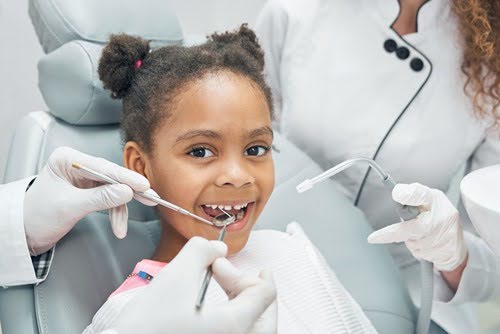
Orthodontists recommend that children receive their first evaluation around age 7. Early assessments can identify bite issues that may benefit from Phase 1 treatment.
Phase 1 treatment may involve:
- Growth guidance
- Space management
- Limited braces
Understanding your benefits early allows families to:
- Plan financially
- Spread costs over multiple benefit years.
- Use orthodontic lifetime maximums effectively.
For example, starting Phase 1 treatment late in one year and continuing into the next may allow two annual maximums to contribute toward overall care. Strategic timing can make a significant financial difference.
Areas Served
Families from Calabasas, West Hills, CA, Woodland Hills, Winnetka, and Canoga Park often seek pediatric and orthodontic care that combines clinical excellence with clear financial guidance. At Superkiddos Dental & Orthodontics, parents receive support in understanding coverage options so they can confidently access preventive visits, restorative treatments, and orthodontic care for their children.
FAQs
How does dental insurance work for braces?
Orthodontic coverage usually pays a percentage of treatment costs, often 50%, up to a lifetime maximum. Payments may be distributed throughout treatment rather than paid upfront. Many plans only cover children under 18. Families should confirm whether the orthodontic benefit is separate from the annual maximum.
What is the difference between a dental plan and dental insurance?
Dental insurance typically involves premiums, deductibles, coinsurance, and annual maximums. A discount plan involves a membership fee that provides reduced pricing but no percentage coverage. Insurance shares costs, while discount plans lower the provider’s fee schedule.
Does dental insurance cover Invisalign for teens?
If orthodontics is included, Invisalign for teens is usually covered similarly to traditional braces. Coverage percentages and lifetime maximums apply. However, cosmetic-only treatment may not qualify. Always verify with your provider before starting treatment.
What happens if we reach our annual maximum?
Once the annual maximum is reached, additional services are paid fully out of pocket until the next benefit year begins. Families can sometimes schedule non-urgent treatments after the benefit year resets to reduce expenses.
Is it worth getting dental insurance just for orthodontics?
It depends on the orthodontic benefit included. If a plan provides a substantial lifetime orthodontic maximum, it can significantly reduce costs. However, families should compare premiums and waiting periods before enrolling solely for braces coverage.
Schedule a Pediatric Dental or Orthodontic Consultation
Understanding your benefits is the first step toward confident decision-making. If you have questions about coverage for cleanings, fillings, sealants, space maintainers, or orthodontic treatment, a consultation can help clarify your options.
At Superkiddos Dental & Orthodontics, families receive personalized guidance to review insurance details, estimate out-of-pocket costs, and coordinate treatment timing wisely. Schedule an appointment to discuss your child’s needs and create a plan that supports a healthy, confident smile—both clinically and financially.